
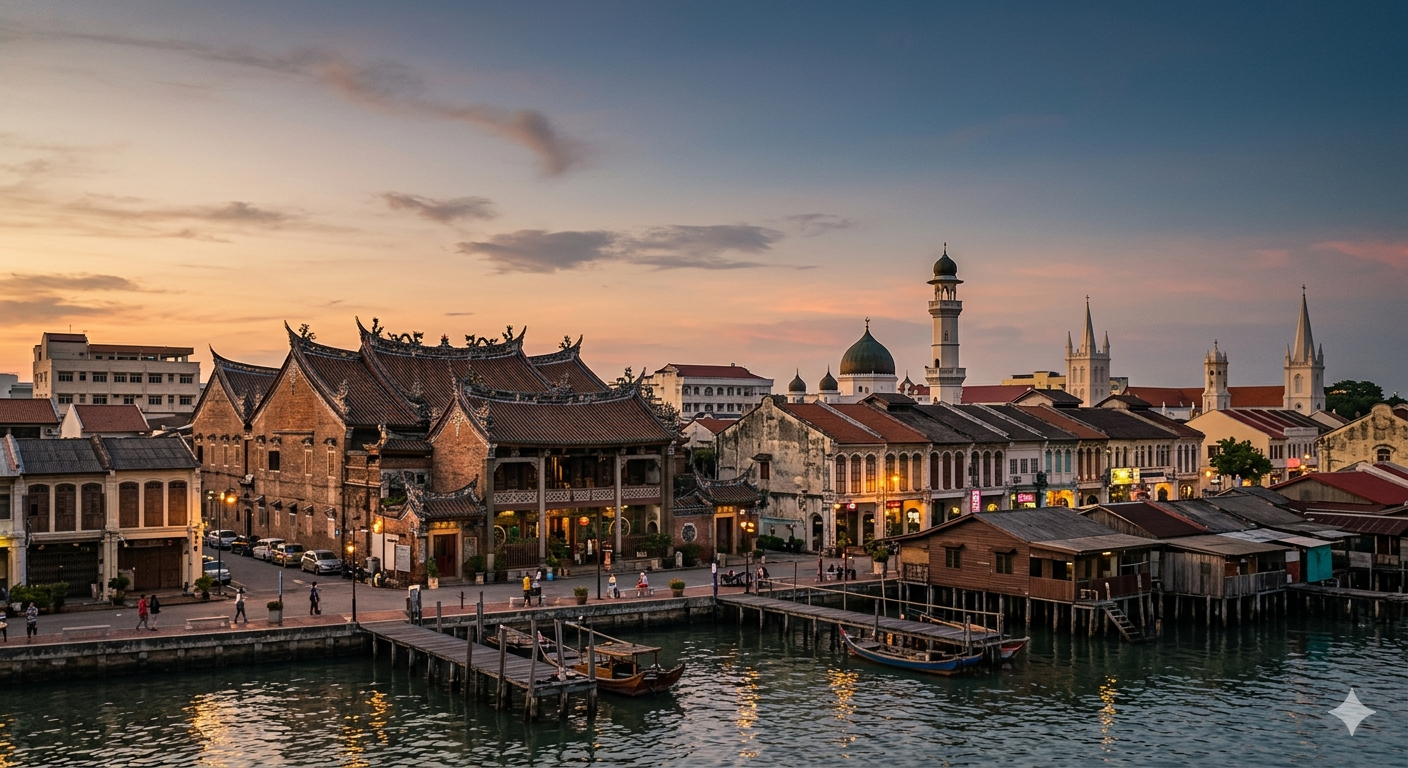
If you are the kind of traveller who can’t wait to wander old streets, explore historic buildings and immerse yourself in local culture and traditions, this article is for you.
George Town in Penang, Malaysia, was named a UNESCO World Heritage Site in 2008. Its greatest charm is its kaleidoscope of cultures living side by side. Within a few hundred metres you can see a grand mosque, a colourful Hindu temple and a Chinese clan temple full of Nanyang character. This harmony of British colonial style and the traditions of many communities is what makes Penang irreplaceable.
Here are ten of George Town’s most iconic historic buildings and the stories behind them:
1. Kapitan Keling Mosque
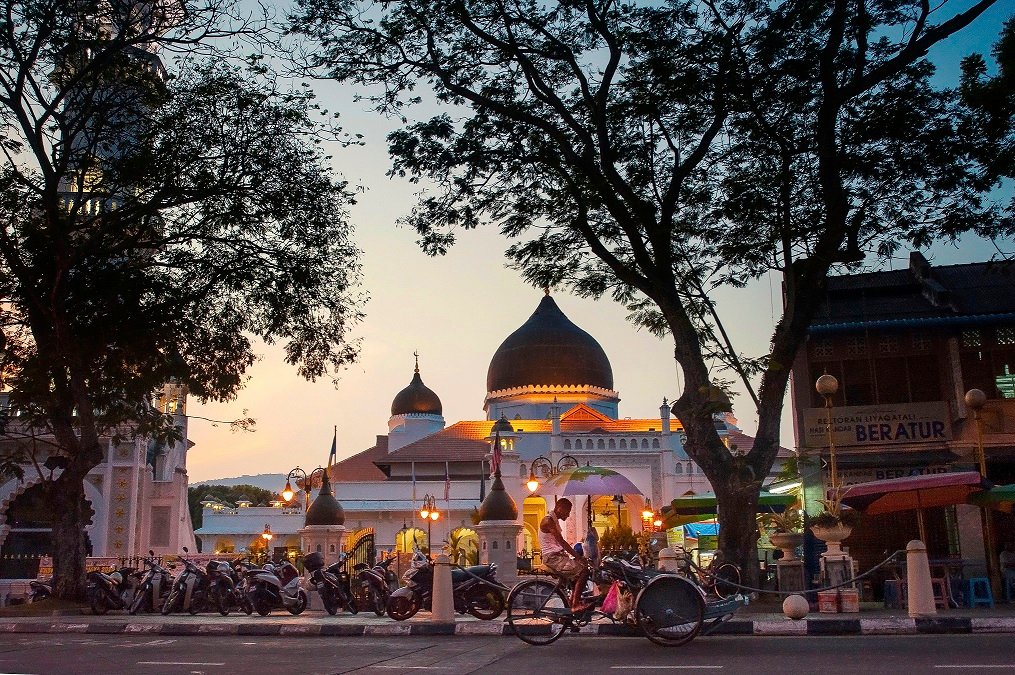
Photo: MyPenang
- Built: 1801
- Key figure: Cauder Mohuddeen Merican (leader of the South Indian Muslim community at the time, known as the “Kapitan Keling”)
- History: the mosque was originally funded by Indian Muslim traders. In 1801, Lieutenant-Governor Sir George Leith set aside the land for religious use. It began as a simple square building until British architects redesigned it in 1916 in the Moorish (Mughal) Revival style seen today, with its signature copper domes and tall minaret.
2. Goddess of Mercy Temple (Kuan Yin Teng)
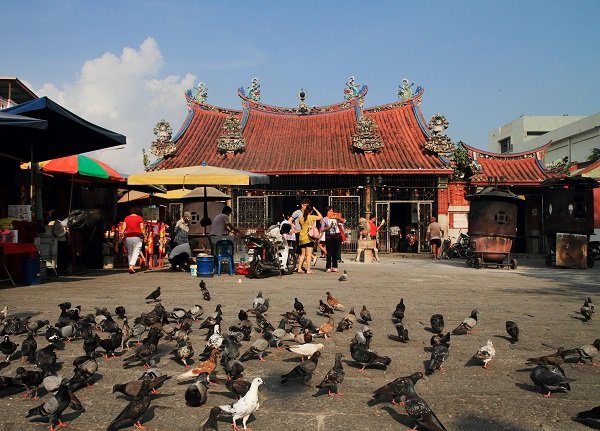
Photo: MyPenang
- Built: 1800
- Key figures: Cantonese and Hokkien community leaders among Penang’s early Chinese settlers
- History: this is Penang’s oldest Chinese temple. Interestingly, it was not purely a place of worship at first: it also served as the Kong Hock Keong, where the Chinese community settled disputes and handled public affairs. The building shows fine southern Fujian craftsmanship, and the cut-porcelain decorations on its roof ridges still shine more than two centuries later.
3. Sri Mahamariamman Temple
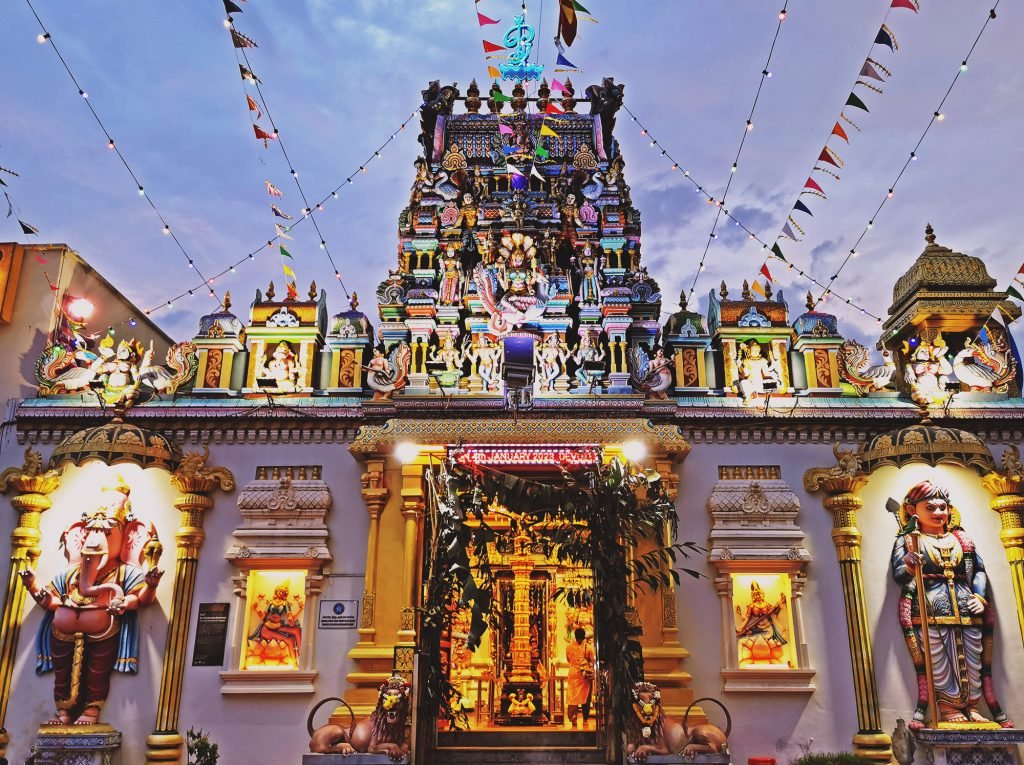
Photo: Travel2Penang
- Built: 1833
- Key figures: early South Indian Tamil immigrants and traders
- History: Penang’s oldest Hindu temple began as a small shrine built by the Tamil community and was expanded into a formal temple in 1833. Its magnificent entrance tower (gopuram) is carved with 38 exquisite deities, a sign of how deeply Indian culture is rooted here.
4. Leong San Tong Khoo Kongsi
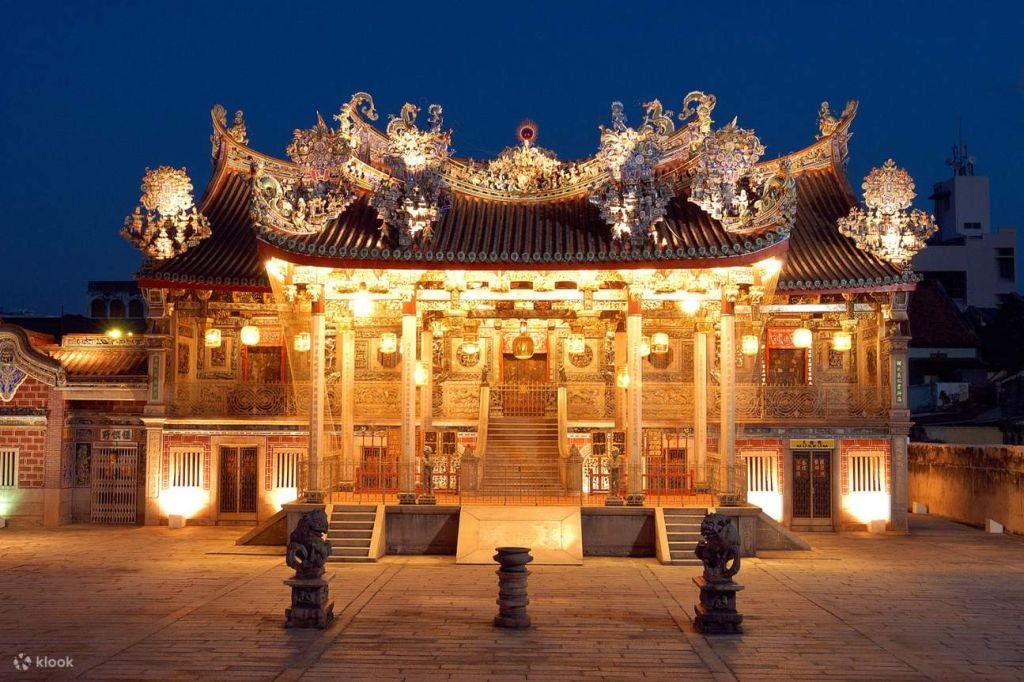
Photo: Klook
- Built: 1851 (the current main building was completed in 1906)
- Key figures: the Khoo clan
- History: the Khoo Kongsi is the most ornate clan house in Malaysia. Legend says the earlier building burned down in the late 19th century because it was so lavish it angered the gods; it was rebuilt in 1906. Beyond ancestral worship, it also served as a defensive stronghold that protected clan members.
5. Cheong Fatt Tze Mansion (the Blue Mansion)
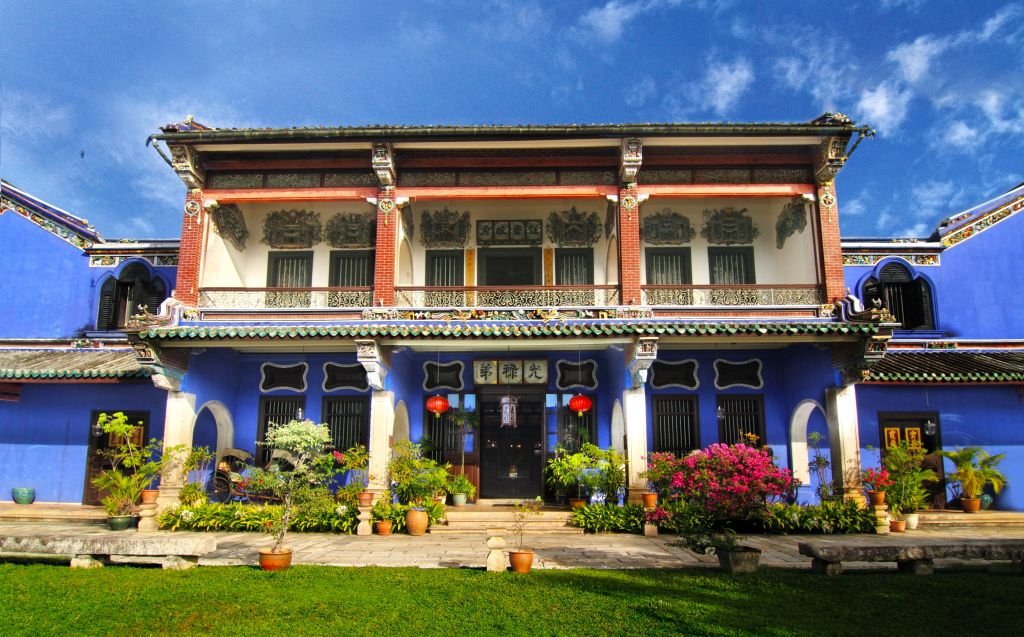
Photo: MyPenang
- Built: late 1880s
- Key figure: Cheong Fatt Tze (known as the “Rockefeller of the East”)
- History: this indigo mansion blends Scottish ironwork, Gothic glass and Chinese feng shui. It is a rare Qing-era residence in George Town and won the UNESCO Asia-Pacific Heritage Award of Merit in 2000.
6. Pinang Peranakan Mansion
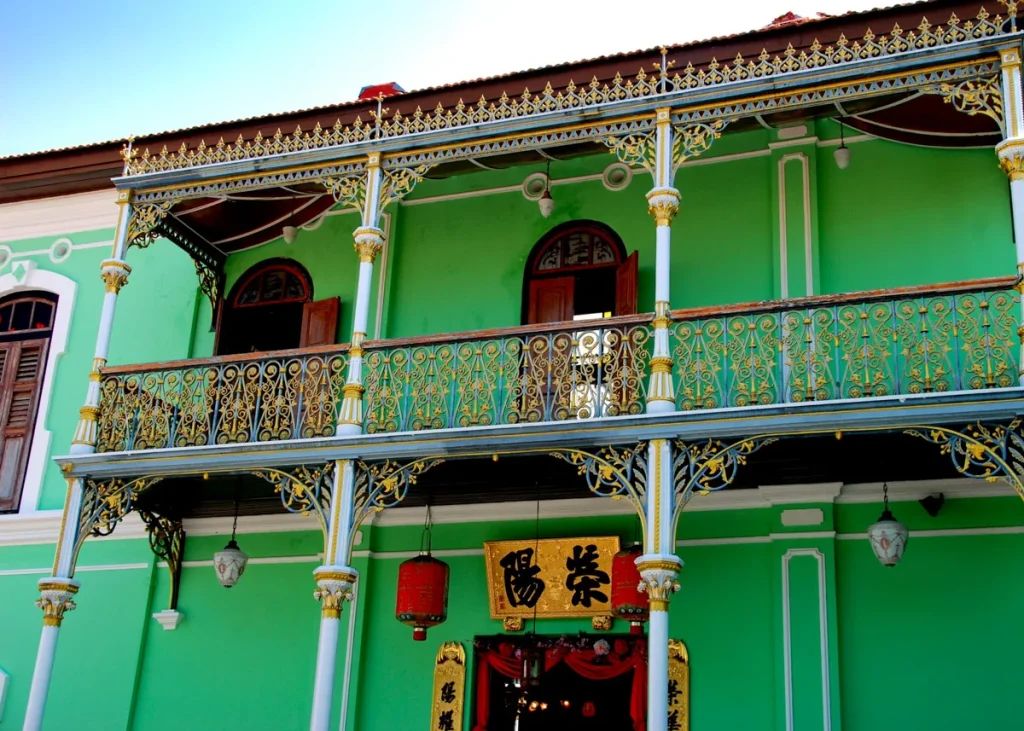
Photo: OnePenang
- Built: 1890s
- Key figure: Chung Keng Quee (one of the most influential Chinese leaders of his time)
- History: originally known as Hai Kee Chan, the building mixes a Chinese courtyard with Western louvred windows. Today it houses thousands of Peranakan (Baba-Nyonya) artefacts and is the best window into 19th-century high society.
7. Fort Cornwallis
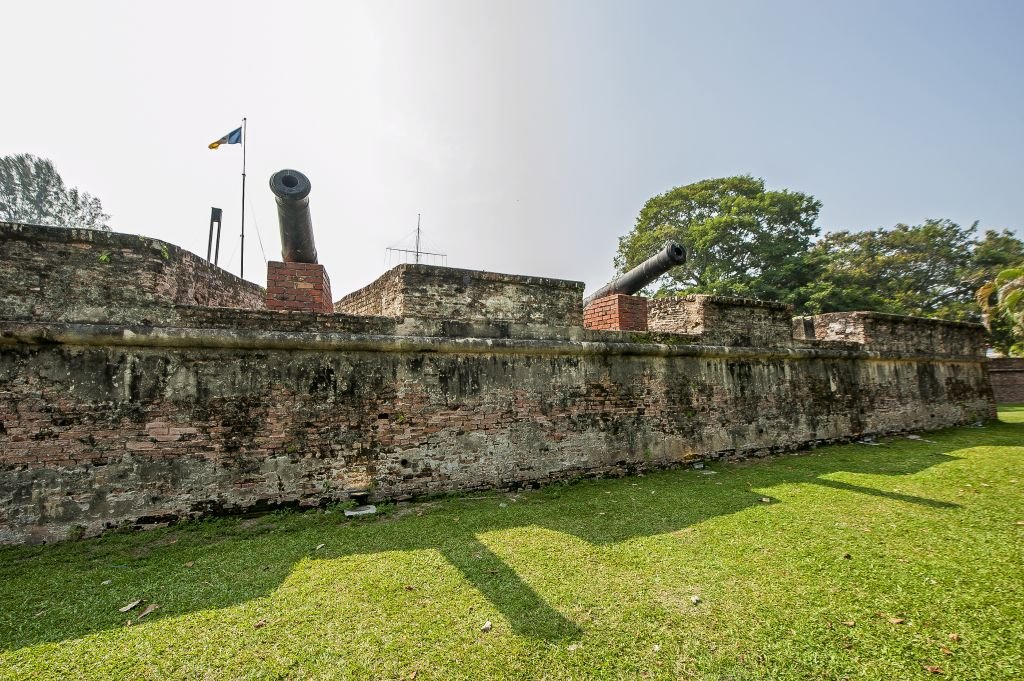
Photo: MyPenang
- Built: 1786 (rebuilt in stone in 1804)
- Key figure: Captain Francis Light (founder of George Town)
- History: this was the British East India Company’s first outpost in Penang. Its old cannons and landmarks mark the turning point when Penang went from an uninhabited island to a thriving trading port.
8. St. George’s Church
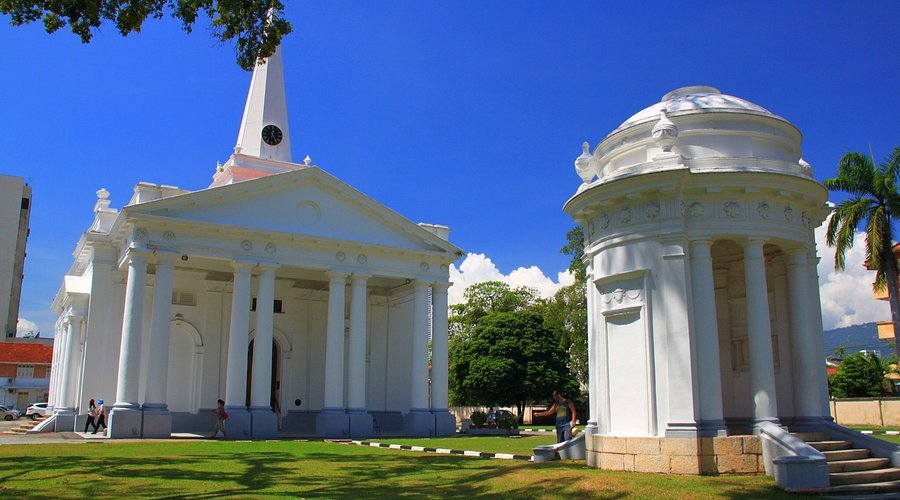
Photo: Tripadvisor
- Built: 1818
- Key figures: Reverend Robert Sparke Hutchings and East India Company architects
- History: the oldest Anglican church in Southeast Asia. Its pure white exterior reflects colonial architectural style, and it was declared a Malaysian national heritage site in 2007.
9. Penang City Hall and Town Hall
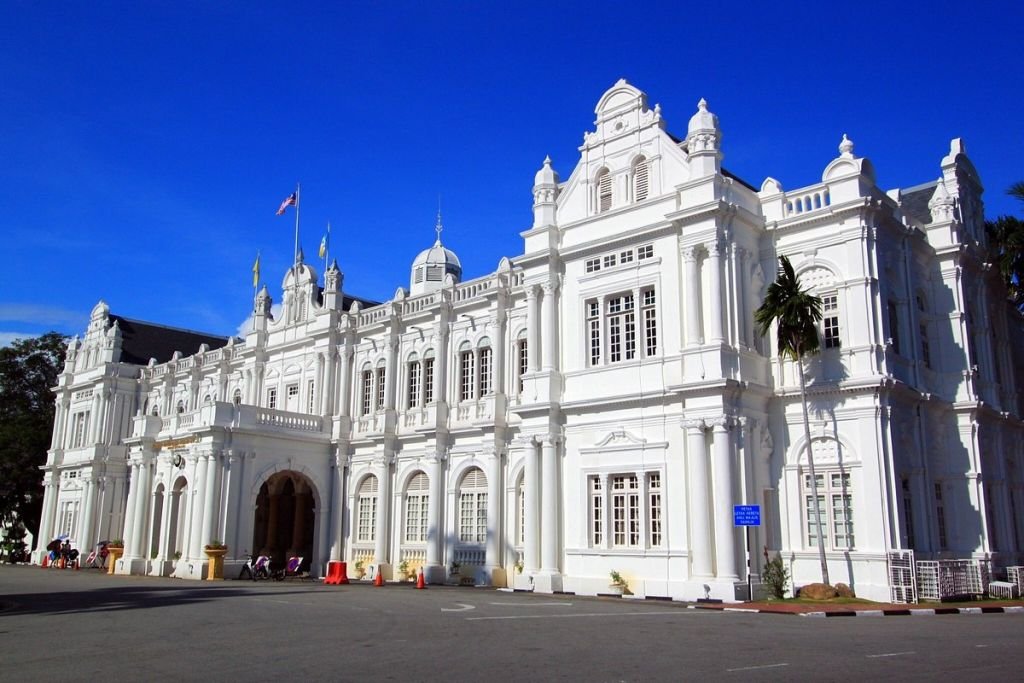
Photo: Tripadvisor
- Built: Town Hall (1880); City Hall (1903)
- Key figures: colonial government officials and British architects of the time
- History: both buildings stand on the old Esplanade. The Town Hall was once the social centre where high society held banquets and balls, while the City Hall shows the Edwardian Baroque style.
10. Clan Jetties
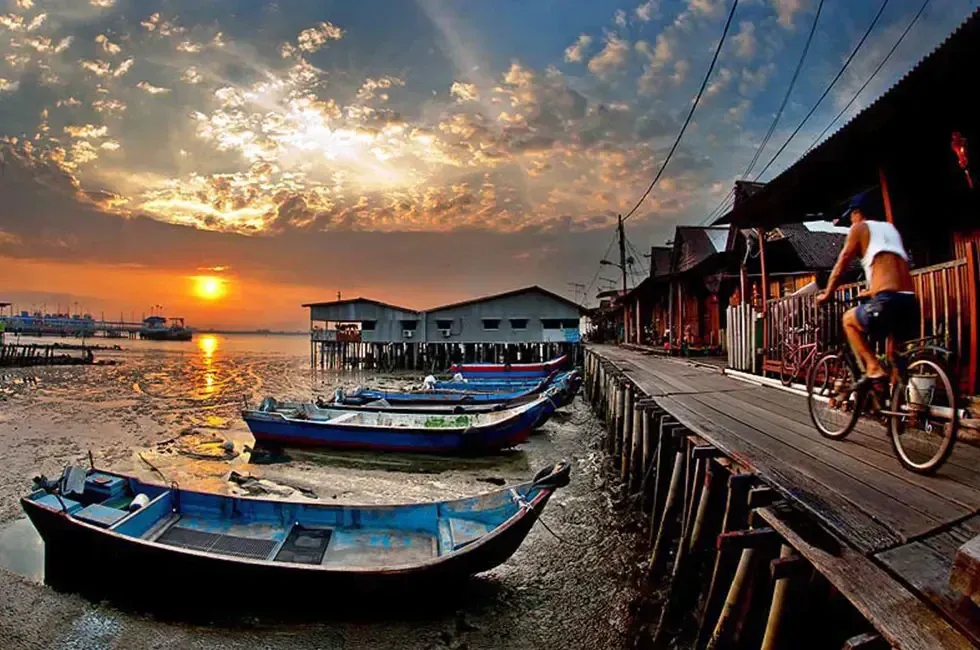
Photo: Lexis Suites
- Built: mid-19th century
- Key figures: Hokkien dock workers and immigrants of different clans
- History: not a single building but villages of houses on stilts over the water, each settled by one clan. They show how early immigrants survived harsh conditions in Penang by relying on clan ties.
Conclusion: a cultural miracle on a small island
Penang is a small island where land is extremely precious, yet it has shown remarkable resilience and foresight. Instead of tearing down old buildings in the rush to modernise, it has worked hard to restore and protect this living history. That respect for heritage has earned Penang international recognition:
- 2008: inscribed on the UNESCO World Heritage List together with Melaka.
- 2021: George Town World Heritage Incorporated (GTWHI) received several UNESCO recognitions for its management.
- 2025: the restoration of the old Esplanade seawall won a UNESCO Asia-Pacific Award for Cultural Heritage Conservation.
George Town’s historic buildings are more than stone and timber; they hold the multicultural soul of Penang. The island has shown the world that progress and tradition can thrive together. To discover what living in Penang is like, see our Penang city guide.
References and further reading: