
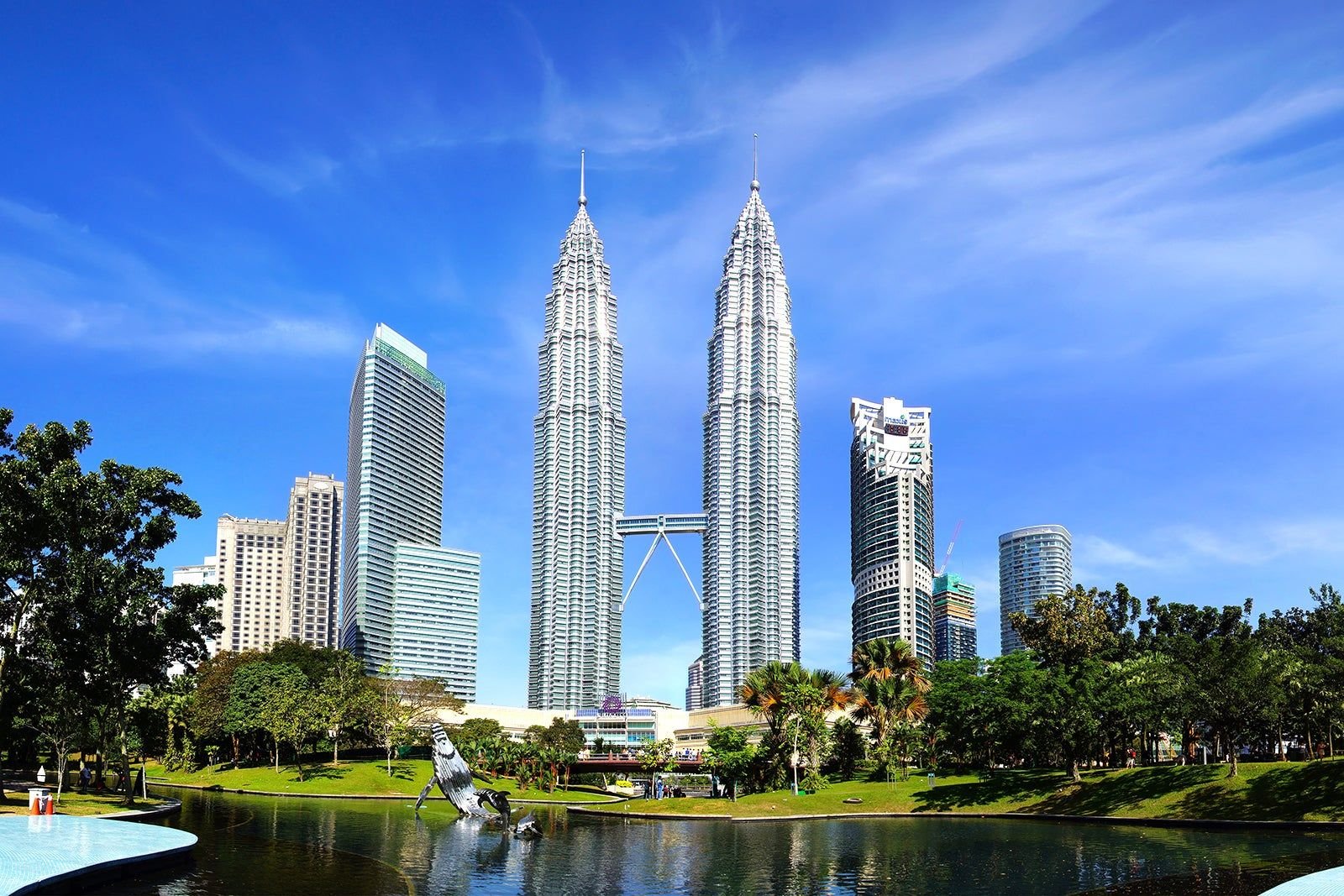
As global asset allocation becomes more important, property remains many people’s first choice for long-term investment. In Southeast Asia, Malaysia stands out thanks to its location, relatively affordable prices, steady rental demand and growing economy.
Here are the main reasons to consider investing in Malaysian property.
1. A relatively affordable entry point
Compared with core cities in Taiwan or nearby markets such as Singapore, Malaysian property prices are still relatively reasonable overall.
This means:
- A lower investment threshold
- Less financial pressure
- Easier diversification
- A chance to find better value for money
For first-time overseas investors, it is a market where the risk is relatively manageable.
2. Steady rental demand in the main cities
In major cities such as Kuala Lumpur, Penang and Johor, rental demand is steady.
Tenants include:
- Office workers
- Expatriates
- University students
- Business travellers
- Young local families
Properties with good transport links, close to commercial areas or good schools, are usually easier to rent out and can keep cash flow steady.
3. A clear location advantage
Malaysia sits at the centre of Southeast Asia, next to Singapore, Thailand and Indonesia, and is a key regional hub for transport and trade.
This location supports:
- International business
- Foreign investment
- Long-term economic growth
- Rising property values
For anyone building an overseas portfolio, that has strategic value.
4. Ongoing infrastructure development
Malaysia has been rolling out major infrastructure projects in recent years, including:
- New highways
- MRT and LRT expansion
- Urban renewal plans
- Special economic zones
Better transport and city infrastructure usually lift nearby prices and rents.
For long-term investors, choosing an area that is still developing often brings growth potential.
5. A diversified economy
Malaysia’s economy is diverse, spanning:
- Manufacturing
- Technology
- Financial services
- Tourism
- Electronics and exports
Steady economic growth supports the property market over the long term.
As jobs increase, city populations keep growing, which drives further demand for homes.
6. Well suited to overseas asset allocation
For Taiwanese investors, overseas property can:
- Spread the risk of relying on one market
- Diversify your assets
- Hedge against currency swings
- Serve as a retirement or long-term planning tool
The Malaysian market is relatively open, and foreigners can buy in many states (subject to minimum price rules and other regulations), creating investment opportunities.
7. Long-term growth potential
Property is a long-term asset. With the right location and timing, it usually benefits from:
- Area development
- Population growth
- Better infrastructure
- Inflation
Long-term holding is usually steadier than short-term speculation.
8. A hedge against inflation
Property is a physical asset. When prices rise, rents and property values usually have room to adjust too.
That is why property is often seen as:
- A store of value
- A long-term hedge against inflation
- A source of steady cash flow
For investors who value security, it has real appeal. To explore your options, talk to our consultants.